Newport Fluid Power Home

Category

Hydraulic Reliability

18 articles

The Silent Bypass: Proving Hydraulic Isolation Before a Festive Shutdown

The Silent Bypass: Proving Hydraulic Isolation Before a Festive Shutdown

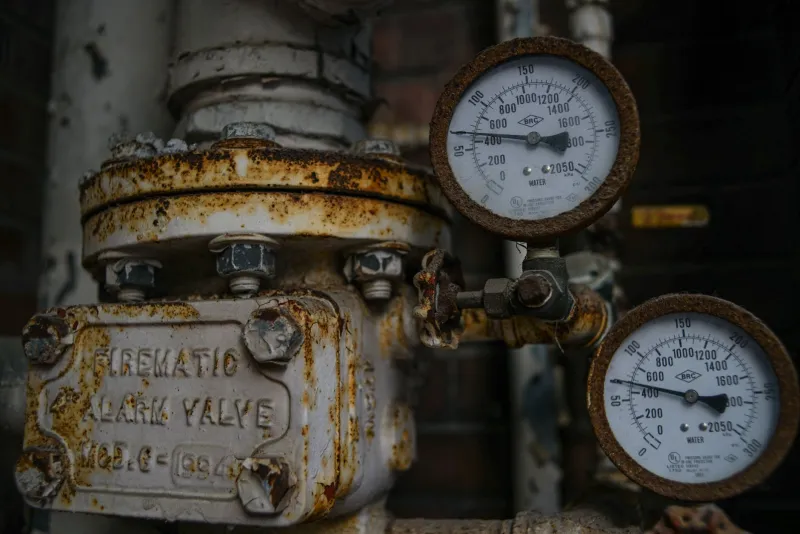
A shutdown only stays quiet if every hydraulic isolation point has been proved, not merely turned. This article outlines a practical pre-shutdown isolation proof for UK plant teams, covering stored-energy inventories, valve pass-by checks, gauge verification and permit-to-work records. The festive break is a useful deadline, but the method applies to any maintenance window.

The Fastener Is the Seal: Auditing Flange Bolts on Hot Hydraulic Pipework

The Fastener Is the Seal: Auditing Flange Bolts on Hot Hydraulic Pipework

Weeping SAE and split-flange joints are frequently re-sealed when the underlying problem is lost bolt preload, poor alignment or an uneven mating face. This workshop audit sets out how to inspect witness marks, verify flange gap and flatness, apply correctly lubricated torque and re-check joints after thermal cycling.

Between Cut-In and Cut-Out: Verifying Pressure Switches on Unattended Hydraulic Plant

Between Cut-In and Cut-Out: Verifying Pressure Switches on Unattended Hydraulic Plant

Pressure switches on standby hydraulic power units can drift quietly out of calibration, narrowing the gap between cut-in and cut-out until the pump begins short cycling. This article outlines a practical verification route using a calibrated reference gauge, a controlled run and simple event logging, with attention to damp UK plant rooms and unattended systems.

Reading Warmth, Not Just Leaks: A Pre-Winter Thermal Route for Hydraulic Power Units

Reading Warmth, Not Just Leaks: A Pre-Winter Thermal Route for Hydraulic Power Units

A thermal camera can turn a hydraulic power unit into a visible reliability map before the winter production push. This walkaround method helps UK maintenance teams baseline normal heat patterns, spot restricted return filters, cooler bypass and coupling misalignment, and avoid the false positives that make thermography seem unreliable.

What the Reservoir Inhales: A Breather Audit for Damp Hydraulic Plant

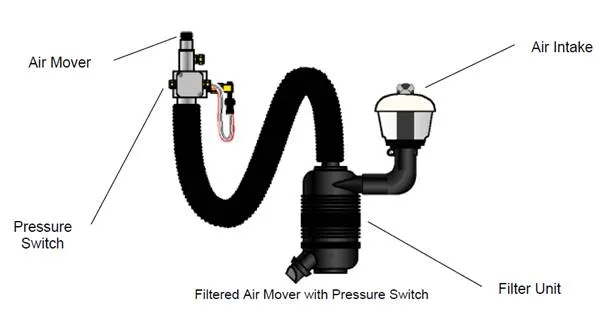
Reservoir breathers are small components with a direct path into the hydraulic oil, yet they are often left unchecked until water or particle counts rise. This audit method covers breather type, filtration rating, desiccant condition, mounting position and evidence-based change intervals for UK plants operating in damp conditions.

Below Atmospheric: Inlet Vacuum Checks for Hydraulic Pump Aeration

Below Atmospheric: Inlet Vacuum Checks for Hydraulic Pump Aeration

A noisy pump and foaming oil often point to air entering the suction line rather than a failed pump. This guide sets out a structured inlet-vacuum check for UK maintenance teams, from gauge selection and temperature correction to tracing leaks at tank connections, hoses and joints.

Transients in the Dark: A Logging Campaign for Hydraulic Shock Loads

Transients in the Dark: A Logging Campaign for Hydraulic Shock Loads

Short pressure transients can fatigue manifolds long before a gauge shows anything unusual. This article sets out a practical one-week logging campaign for UK maintenance teams, covering transducer selection, trigger settings, trace interpretation and a manifold-crack case study.

Measuring Rod Creep: A Workshop Protocol for Hydraulic Cylinder Drift

Measuring Rod Creep: A Workshop Protocol for Hydraulic Cylinder Drift

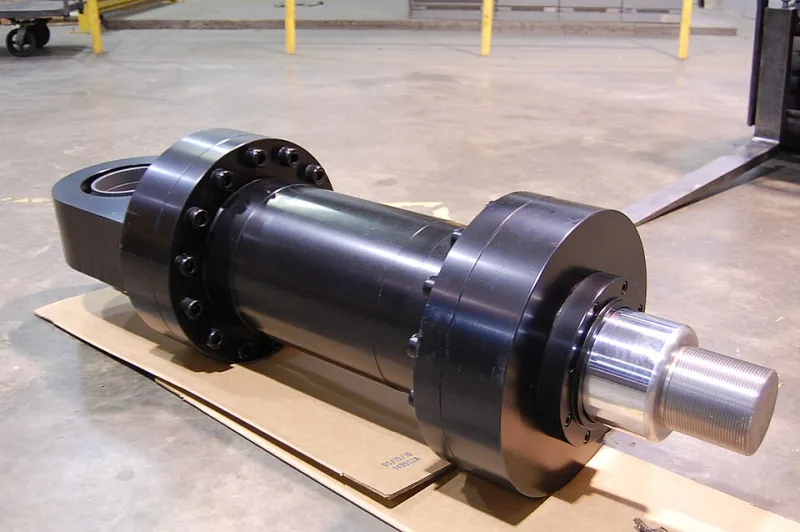
Cylinder drift is often reported as a vague symptom rather than a measured fault. This workshop protocol uses a stopwatch, a rule and a thermometer to produce a repeatable drift rate, separate piston-seal bypass from valve leakage, and decide whether to monitor or repair.

Frost-Proofing Hydraulics: A Winter Regime for UK Power Units

Frost-Proofing Hydraulics: A Winter Regime for UK Power Units

UK winters bring repeated freeze-thaw cycles, damp air and unheated plant, all of which stress hydraulic systems before production even begins. This practical winter regime covers fluid checks, reservoir breathing, heater settings, outdoor lines and the cold-start habits that protect reliability.

Particle Counts, Not Top-Up Volumes: Reading ISO 4406 in Damp UK Plants

Particle Counts, Not Top-Up Volumes: Reading ISO 4406 in Damp UK Plants

Topping up a reservoir restores the level, not the oil condition. This practical guide explains how ISO 4406 particle counts, filter ratings and breather choices reveal the contamination that a top-up can hide, with a troubleshooting routine for damp, cold UK workshops.